Counseling for trauma and PTSD
Trauma can leave your body on guard long after the danger has passed. It isn't a sign of weakness, and it isn't the end of your story. We'll work through it together, at a pace you set.
What trauma can feel like
Trauma lives in the body as much as in memory. Tap anything that sounds like you.
Tap anything that sounds like you.
This isn't a test, and it can't tell you what's going on. It's a way to notice. Nothing is saved or sent.
Why your body stays on guard
Everyone has a window of tolerance: a range where you can feel things and still think them through. Trauma narrows that window. Some people get stuck above it, on edge and always scanning. Others drop below it into freeze. And present situations can trigger reactions from past ones. Move the slider to see it.
Inside the window, you can feel the hard things and still think them through.
How trauma gets buried
It makes sense to want distance from something that hurt you. But the ways we keep it at a distance can keep it in charge.
Refusing
Not dealing with it
Pushing it away works, until the pressure builds high enough that it can't be ignored anymore.
Minimizing
“It wasn't that bad”
Comparing it to something worse makes it feel smaller. It doesn't make it hurt less.
Self-medicating
Numbing it
Alcohol, drugs, shopping, sex, even exercise. The relief always wears off, and the problem is still there.
You set the pace
We won't push you to tell everything at once. Calming your body comes first, so the thinking part of your brain can get back in the driver's seat. Try it now: breathe in for four, hold for four, and breathe out slowly for six.
You decide what to share, and when.
How the Hope Method helps with trauma
Every provider here works from the same method. Our team has worked with trauma in hospitals, schools and crisis response.
Tolerate uncomfortable emotions
Widening the window, so hard memories can be faced without flooding or shutting down.
Rethink unhelpful thoughts
Untangling the beliefs trauma leaves behind, like “I can't trust anyone” or “It was my fault.”
Identify the person you want to be
Who you want to be doesn't depend on what happened to you. It's never too late to move in a better direction.
Change unhelpful behaviors
Small, steady steps back toward the places and people trauma took from you.
Keep connected to healthy community
Rebuilding trust, slowly. Vulnerability is hard after someone hurt you, and safe people make it possible.
“Build up, build up, prepare the way, remove every obstacle out of the way of my people.”
Isaiah 57:14 (NASB 1995)
Where faith fits
Trauma can raise painful questions about where God was. Those questions are welcome here, and so is doubt. If you'd like prayer or scripture in your sessions, ask. If you wouldn't, it won't come up.
Our job is to help you see and remove the obstacles that keep you stuck.
What "spiritually informed" meansWhen to talk with your doctor, too
Sometimes trauma's effects dig in deep enough that medication can help. If you notice any of these, talk with your doctor, and keep counseling alongside it to get at the root.
- Sleeping poorly, or sleeping too much
- Eating much more, or having no appetite
- Things you used to enjoy no longer feel good, or make you anxious
- A constant sense of unease
- Work or school is suffering
- Staying away from people because it takes too much energy or makes you too anxious
If you're having thoughts of harming yourself, or wishing you weren't alive, please reach out right now. Call or text 988 for the Suicide and Crisis Lifeline, call the Georgia Crisis and Access Line at 800-715-4225, or dial 911. We're not a crisis service, but we'll be here for what comes next.
Getting started
The practical details, and the questions people ask most.
- Cost
- $75For 50 minutes, paid at the appointment. The same for individuals, couples and families.
- Insurance
- Not acceptedNo superbills. Cash, check, card, and HSA or FSA cards all work.
- Where
- In person or telehealth3231 Washington Rd., or from home for most concerns.
- Getting in
- Usually this weekEvery provider is taking new clients. We try to see people the week they reach out.
Do I have to talk about what happened right away?
No. You set the pace. Many people spend early sessions learning to calm their body before they talk about details.
Do you work with veterans and first responders?
Yes. Our team includes a former U.S. Army chaplain with 23 years of service, and a Military Reboot group for trauma meets on Wednesdays.
Will faith be part of my sessions?
Only if you want it to be. Our providers share a Christian worldview, and if you'd like prayer or scripture in your sessions, ask and your provider will gladly include it. If you wouldn't, it won't come up. Everyone is welcome here, whatever they believe.
What happens in the first session?
It's a conversation about what you need, not an intake. Afterwards you decide whether to keep going, with no commitment either way. If you continue, a few forms and some homework come through the client portal.
Can I do this by telehealth?
Yes, for most concerns. You join from the SimplePractice Client Portal app or a web browser.
Start wherever you are
Book a first conversation, or start with a group.
Book an appointment
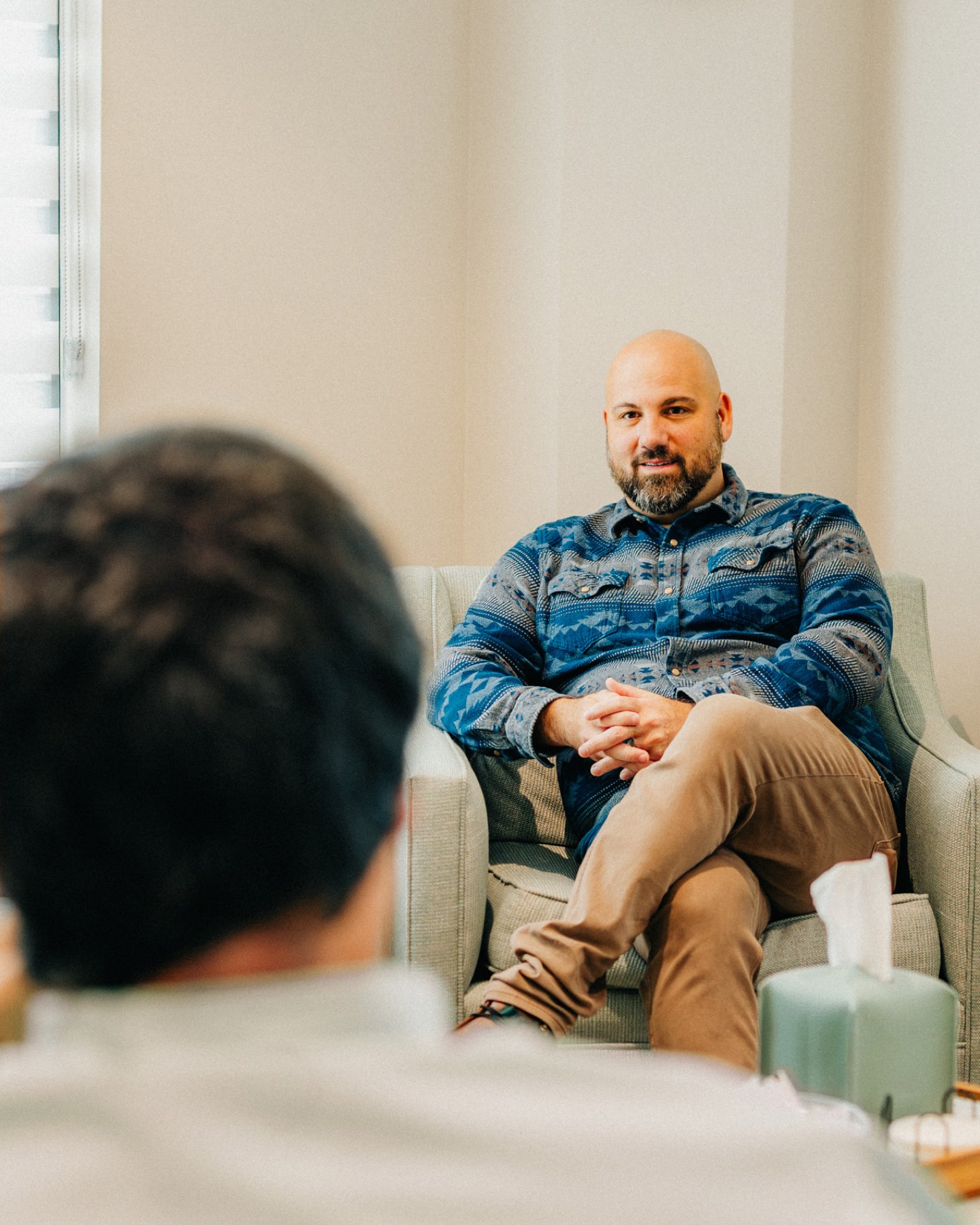
One-on-one sessions, in person on Washington Road or by telehealth. Choose “I'm a new client” when you book.
Find a group
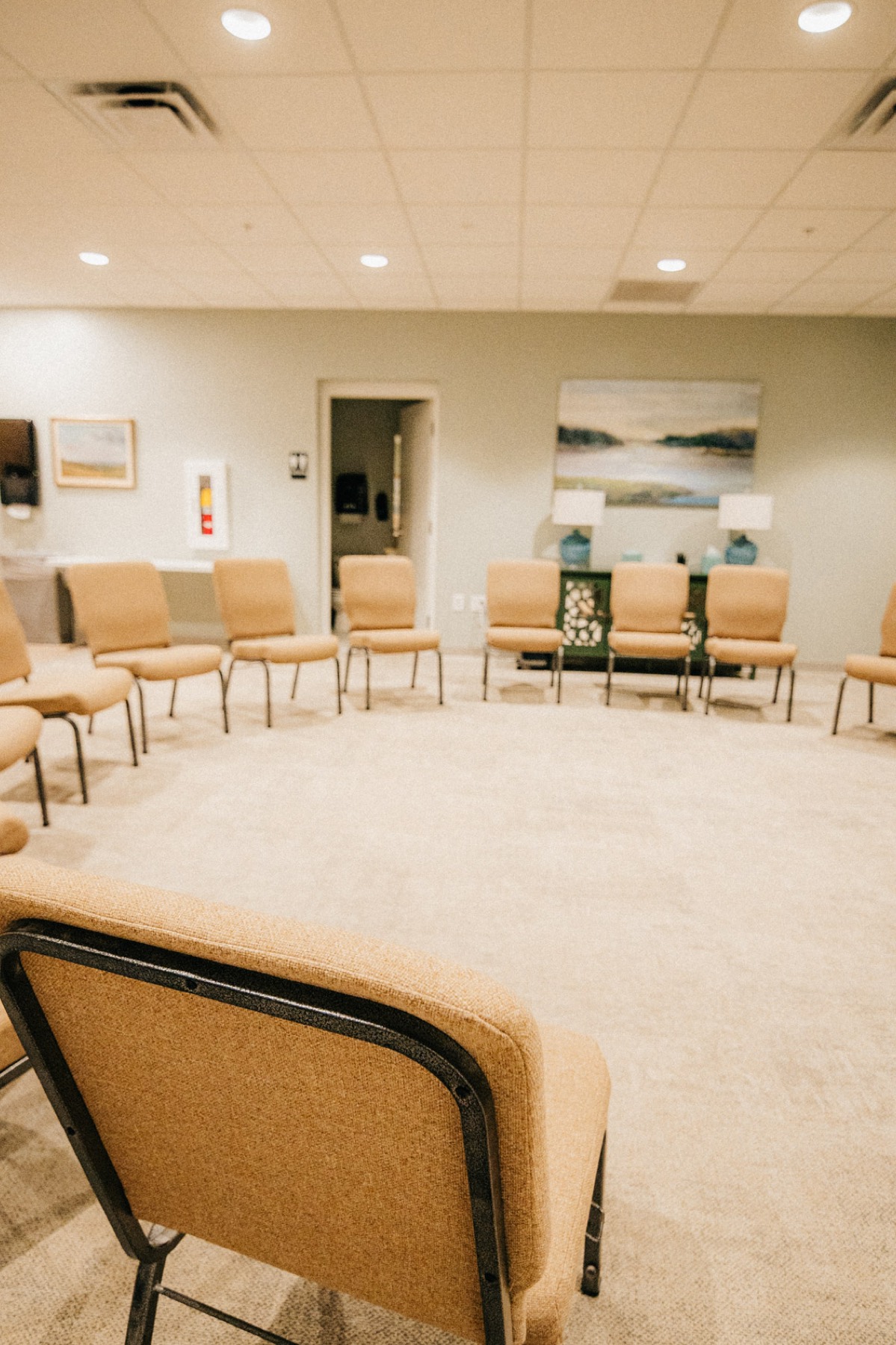
Military Reboot for service members, veterans and spouses; a Sexual Abuse for Women group; and Partner Betrayal Trauma for women, online. All hosted with Warren Church.
Still unsure? Call the office at 762.328.4673.