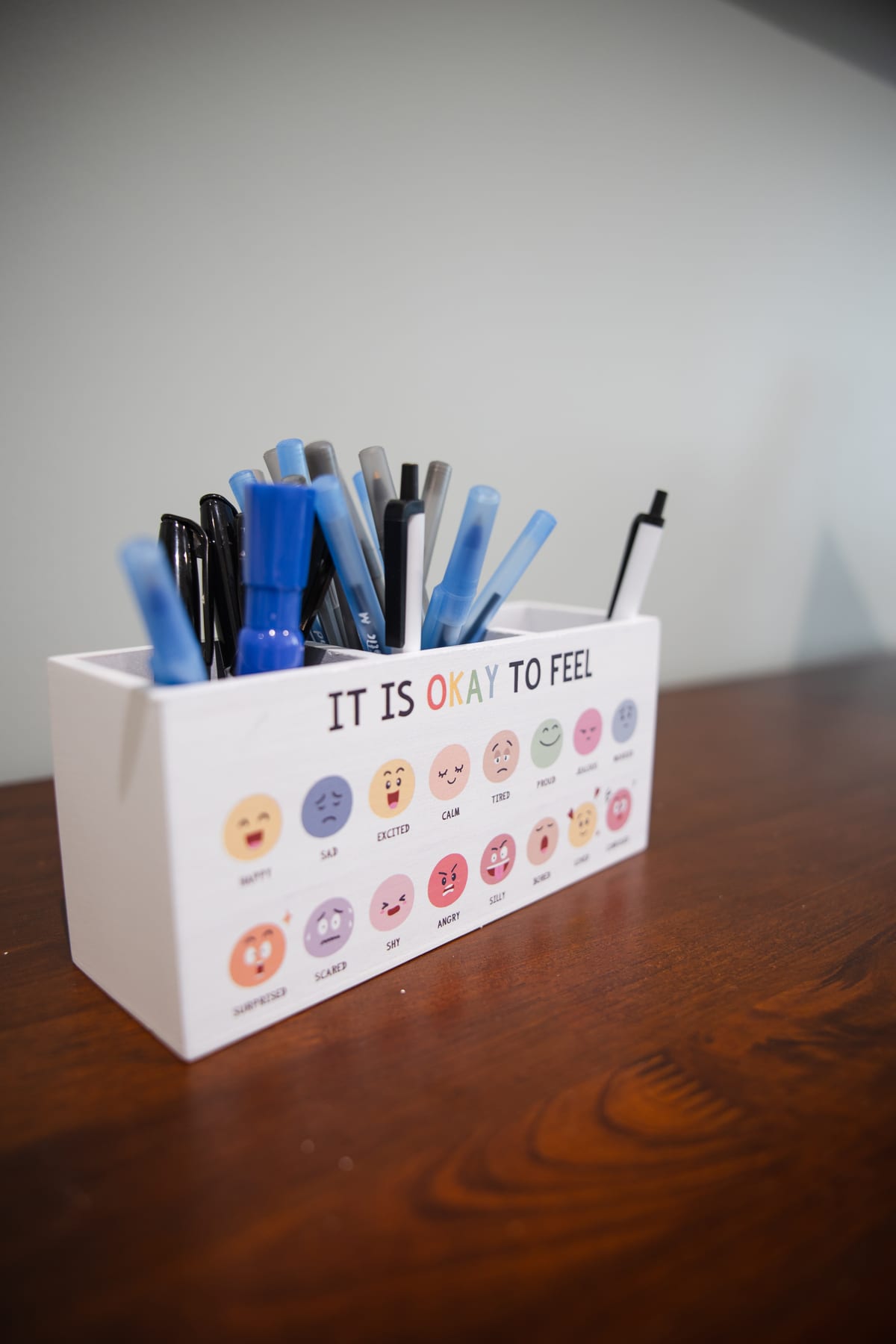
Counseling for children and teens in Augusta
You are the one who can see the change, because you knew your child six months ago. That comparison is more useful than any comparison to other children, and it is usually where the answer starts.
How do I know if my child needs therapy?
The general threshold is impairment: when the difficulty is interfering with school, friendships, sleep, or family life, or when a change has persisted for weeks rather than days. Trust the comparison to your own child a few months ago over the comparison to other children. You're the one who can see the shift.
What are the warning signs a teenager needs help?
Sharp drops in grades, withdrawing from activities and friends they used to want, big changes in sleep or appetite, frequent anger, and persistent sadness. Any mention of death, self-harm or suicide. Including jokes or goodbye-toned messages. Needs immediate attention: call or text 988, any hour.
How do I bring up therapy with my child?
Plainly, early, and without framing it as a consequence. Something like: this is someone whose job is to help kids with hard feelings, and lots of kids see one. Avoid presenting it as a punishment or as evidence something is wrong with them. How it's introduced strongly shapes how they walk in.
More questions about children and teens
Will the counselor tell me what my child says?
Usually not in detail, and that's deliberate. A teenager who thinks sessions are reported home tends not to say anything worth reporting. Expect big-picture updates and safety information rather than a transcript. Ask the counselor to explain their specific policy up front so everyone starts with the same understanding.
My teenager refuses to go. What now?
Common, and not the end of it. Giving them some control. A say in who they see, or agreeing to a trial of a few sessions. Often lowers the resistance more than insisting does. Parents can also go alone; changing how the family responds can help a teen who won't attend anything.
My child says their stomach hurts every school morning. Is that anxiety?
It might be. Recurring stomachaches and headaches that cluster around school mornings and ease at weekends are a classic presentation of anxiety in children. Get it checked medically first, sensibly. If the workup is clean and the pattern holds, it's worth talking to someone about what's happening at school.
How do I tell teenage moodiness from depression?
Duration and reach. Ordinary teenage moods move. They lift for friends, for good news, for something they love. Depression tends to persist for weeks and flatten everything, including what they used to enjoy. Withdrawal from the things that used to reliably work is the signal worth acting on.
What's my role while my child is in therapy?
Substantial, especially with younger children. The changes have to be supported at home to hold. Expect to be looped in on the plan, and ask for a few minutes with the counselor periodically. Being involved without demanding access to the content of sessions is the balance to aim for.
Ready to talk to someone? Call (762) 328-4673 or come by 3231 Washington Rd, Augusta, GA 30907.
Sessions are $75, paid at the appointment. We do not bill insurance. Open Monday and Tuesday 9am–6pm, Wednesday and Thursday 9am–5pm; closed Friday through Sunday.
If you are in crisis right now, call or text 988 for the Suicide & Crisis Lifeline, any hour of any day. Hope is an outpatient practice with set hours and is not a crisis service.